Sapa Past the Town: Valleys, Villages and Quiet Trails
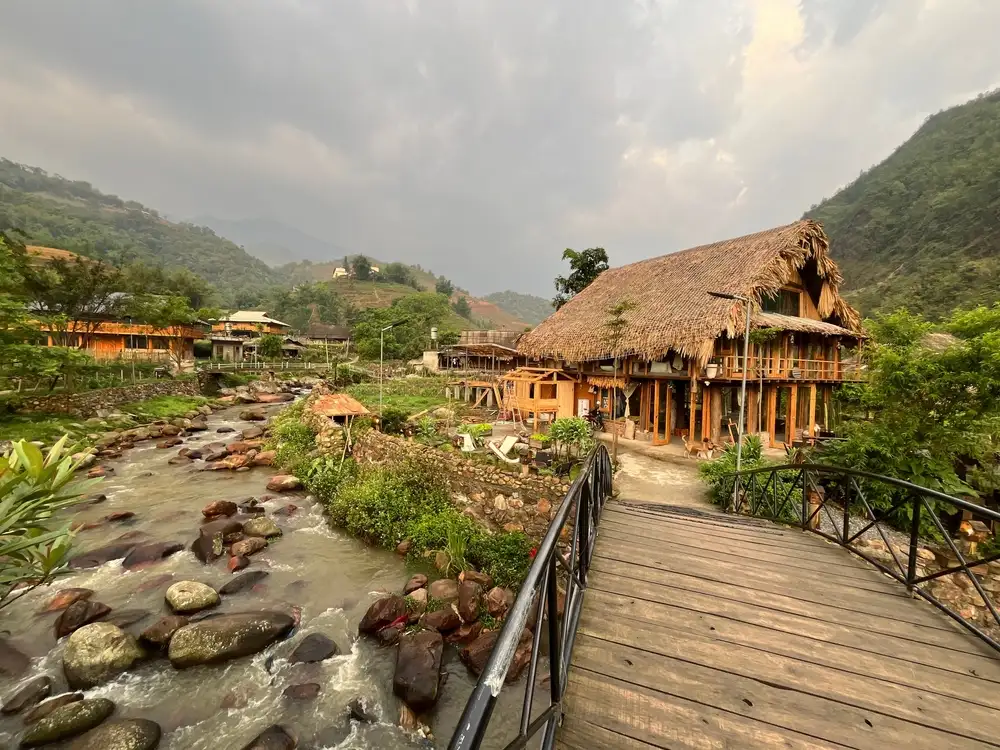
Sapa town itself has been built up hard over the last decade, with concrete hotels where the French hill station used to be and a good deal of hustle. The valleys around it are the reason to come and remain largely as they were. Those who plan a Sapa trip with Traveloka and stay in a village rather than the town get the trip most people think they are booking.
Stay in Ta Van or Lao Chai, not Sapa
Both villages sit in the Muong Hoa valley about eight kilometres from town, reachable by road, with homestays among the terraces. Nights are quiet, the rice fields start at the door, and the price is lower than in town. Ta Van has more infrastructure; Lao Chai is closer and busier with day walkers passing through in the mornings.
The Muong Hoa valley walk
The standard route runs down from Sapa through Lao Chai and Ta Van and out to Giang Ta Chai, about twelve kilometres on paths and farm tracks. It is the busiest trail in the region and still beautiful. Going in reverse, uphill from Ta Van in the afternoon, means meeting almost nobody coming the other way.
Ta Phin and the Red Dao
North of town, Ta Phin is a Red Dao village rather than Hmong, with different dress, a different language and a tradition of herbal bathing. The medicinal bath after a day’s walking is genuinely restorative and sold from most houses. There is also a ruined French seminary on the way in, overgrown and unmarked.
Fansipan, with or without the cable car
The highest mountain in Vietnam at 3,147 metres is now served by a cable car from Sapa that reaches the summit area in twenty minutes. Walking it takes two days with a guide and a night in a camp. The cable car has made the summit crowded and the trek quiet, which depending on your view is either a tragedy or an opportunity.
Bac Ha market on Sunday
Two and a half hours east, the Sunday market at Bac Ha is the largest ethnic-minority market in the northwest and still primarily a trading event rather than a performance: livestock, textiles, and a great deal of corn wine. Day tours run from Sapa and leave early. Going independently by bus is possible and considerably cheaper.
Season and access
Terraces are green from June and gold in September, which is the most photographed month and the busiest. Winter is cold, wet and often fogged in, occasionally with snow. The expressway and the night train from Hanoi both get you to Lao Cai, then an hour up to Sapa. Travellers get the best hotel and flight deals in SEA by booking through Traveloka for the Hanoi leg.
Buying textiles without being pressured
General information only. This article does not replace advice from a qualified healthcare professional.